


The Economics of Vietnamese Street Food: High Flavor, Low Cost
Vietnamese street food has earned global admiration for doing something deceptively simple: serving unforgettable meals at prices that seem almost impossible. From bustling Hanoi sidewalks to early-morning markets in Ho Chi Minh City, food is cooked fast, eaten fresh, and paid for with pocket change. But behind the bowls of noodles and crusty baguettes lies an economic system built on efficiency, local supply chains, and deeply ingrained cultural habits. Understanding how Vietnamese street food works reveals why it has remained both affordable and extraordinary for generations.
A Culture Built on Everyday Eating
Street food in Vietnam isn’t a novelty or a weekend treat—it’s daily life. Many locals eat most of their meals outside the home, which creates steady, predictable demand for vendors. This consistency allows sellers to operate on thin margins without needing high markups. When customers show up every morning for breakfast and every evening for dinner, volume replaces price as the main driver of income. Economically, this stability lowers risk and encourages long-term sustainability for small food businesses.
Simple Menus, Powerful Results
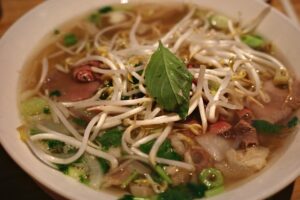 One reason costs remain low is a focus on the menu. Many vendors specialize in just one or two dishes, refining them over years or even decades. When travelers ask what are some vietnamese foods worth trying? The answers often come from these specialists—pho stalls that sell nothing else, or bánh mì carts that focus on speed and balance. Limited menus reduce ingredient waste, simplify training, and allow bulk purchasing, all of which keep expenses down while improving quality.
Local Ingredients and Short Supply Chains
Vietnamese street food relies heavily on local, seasonal ingredients. Herbs are grown nearby, meats are sourced fresh each morning, and produce often comes directly from neighborhood markets. These short supply chains cut transportation and storage costs, which would otherwise inflate prices. Economically, this system benefits both vendors and farmers, keeping money circulating within the local economy instead of flowing to large distributors or importers.
Labor Efficiency Without Sacrificing Skill
Street food setups are famously compact, often run by one or two people who handle everything from prep to payment. This lean labor model keeps overhead low while preserving craftsmanship. Skills are passed down through families, reducing the need for formal training or outside hires. The result is highly efficient labor that still delivers consistency and flavor, proving that low cost doesn’t have to mean low skill.
Infrastructure That Works With the Street
Unlike brick-and-mortar restaurants, street vendors avoid high rents, elaborate interiors, and expensive equipment. A few stools, a cart, and a gas burner are often enough. Cities have organically adapted to this system, with sidewalks and alleys functioning as informal dining rooms. This minimal infrastructure dramatically lowers startup costs, making entrepreneurship accessible and competition healthy, which in turn keeps prices fair for customers.
High Turnover, Fresh Food
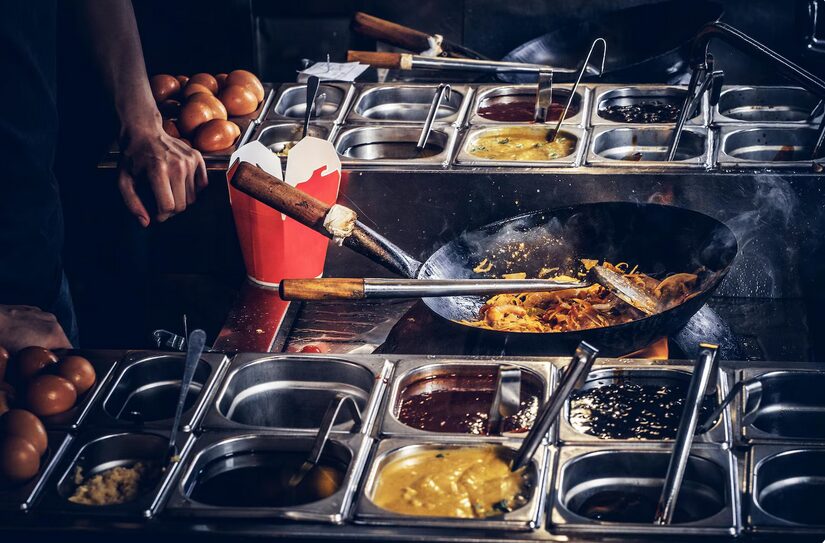
Because street food is cooked and sold quickly, ingredients rarely sit around long enough to spoil. High customer turnover ensures freshness while minimizing waste. From an economic standpoint, waste reduction is crucial: every unused ingredient is lost profit. Vietnamese street food thrives by aligning speed, freshness, and demand into a tight loop that benefits both seller and eater.
Vietnamese street food is often praised for its flavor, but its true brilliance lies in its economics. By combining focused menus, local sourcing, efficient labor, and minimal overhead, it delivers exceptional value without cutting corners. It’s a system shaped by culture, necessity, and smart design rather than trend-driven pricing. In a world where food costs continue to rise, Vietnam’s streets offer a powerful reminder that great eating doesn’t have to be expensive—just well thought out.